The Boat, the Helicopter, and the Field Lines We Refuse to Embrace
 Wendy Apple
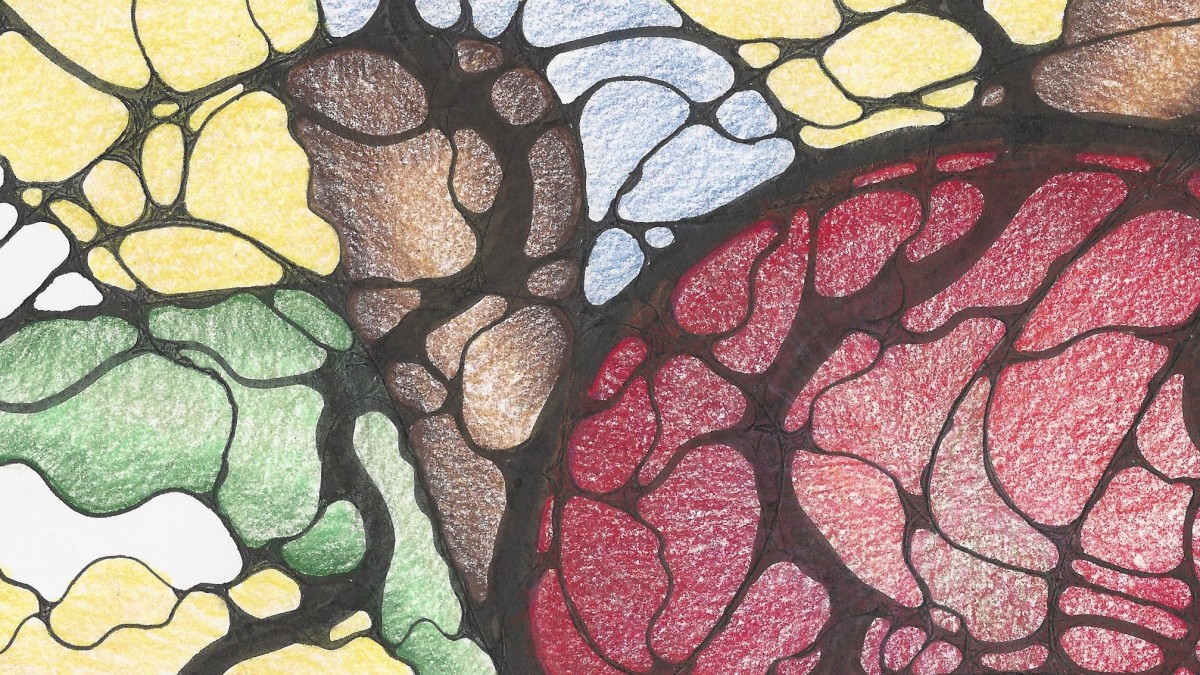
Field Lines reveal where support already exists—and how resistance can soften when we allow help to reach us.
The Boat, the Helicopter, and the Field Lines We Refuse to Embrace
Most of us know the parable of the devout man in the flood.
As the waters rose, he climbed onto his roof, confident that God would save him. Neighbors passed by in small boats and offered help. He declined, certain that divine rescue would come directly. Later, a larger rescue boat arrived. Again, he refused. Finally, a helicopter hovered overhead and lowered a ladder. He waved it away.
He drowned.
When he reached heaven, he confronted God, confused and angry. Why didn’t you save me? God replied, I sent you boats. I sent you a rescue crew. I sent you a helicopter. What more were you waiting for?
The problem wasn’t faith. The problem was certainty about how help was supposed to arrive.
Where This Shows Up in NeuroGraphica®
As practiced neurographers, you already know that Field Lines are not optional decoration. We ask you to add bold, rounded, well-connected Field Lines to every drawing for a reason. They represent support, interaction, and participation in a larger field of life – not as an idea, but as a lived experience on the page.
And yet—this is one of the most resisted steps in the process.
Some people add only one or two.
Some keep them thin or tentative, or insufficiently rounded.
And many say: My drawing looks better without them.
What often goes unexamined is that this resistance mirrors the man on the roof.
Field Lines as Willingness, Not Belief
Field Lines are not about proving faith, optimism, or spiritual maturity.
They are about willingness.
Each Field Line is an embodied action that says:
- I am not separate from support.
- I don’t get to decide all the forms help must take.
- I am willing to be in relationship with life, not just survive it on my own terms.
Just like the boats and the helicopter, support often arrives through ordinary, imperfect, and sometimes inconvenient channels. When we reject those channels—on the page or in life—we don’t remain independent. We remain stranded.
What Resistance Looks Like on the Page
If you look honestly at your drawings, resistance often shows up as:
- Contained shapes with little interaction or support
- Empty areas of the paper
- A sense of control replacing curiosity
- Field lines that don’t fully support your intentions
- Field lines that appear to be above or separate from the intention on the page
None of this is wrong. But all of it is information. The drawing reveals where we are still waiting for the helicopter.
A Question Worth Sitting With
Rather than asking, “Do I believe support exists?” A more useful question is:
How open am I to accepting help, even when it doesn’t look the way I expect?
Field Lines don’t demand an answer. They simply draw your intention to be open to support; in whatever form it shows up for you.
Reflection: Where Am I Waiting for the Helicopter?
Vision/Image: When I look at my drawing, where do I see connection—and where do I notice separation?
Emotion/Feeling: What emotion is present for me as I add Field Lines to this drawing?
Bodily Sensation: What sensations do I notice in my body while drawing Field Lines?
Insights or Meaning: What is this drawing showing me about how I receive support right now?